
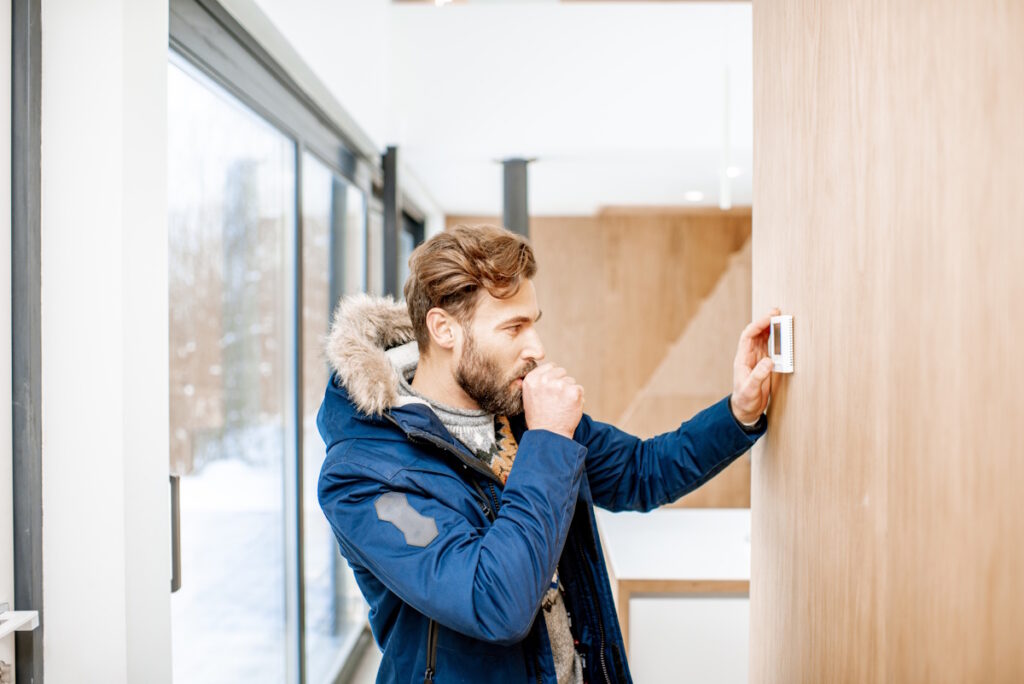
Cold Air, Unusual Noises, and Other Signals It’s Time for HVAC Repair
Some bets are risky, like picking the New York Jets to win a Super Bowl in the next five years. Other bets put your comfort and safety at risk, like gambling on a clunky heating system to make it through the winter.
Frigid temperatures put your heating system to the test. When winter weather ramps up, your furnace or heat pump becomes the most important appliance in your home. But if you’ve been putting off service or ignoring warning signs, your HVAC system may be on the verge of failure.
This guide highlights the top signs your HVAC may not survive the winter, explains how technicians restore heating systems, and shows why HVAC system maintenance is the best way to prevent costly repairs.
Signs and Symptoms You Require Immediate HVAC Repair
If your furnace or heat pump is struggling, it often gives clear signals before shutting down completely. Homeowners should watch for these warning signs that indicate the system is close to critical failure.
Unusual noises: Loud banging, grinding, or squealing sounds often point to failing components such as motors, belts, or bearings.
Weak or uneven airflow: If some rooms are cold while others are warm, your system may have duct leaks, blower problems, or failing fans.
Frequent cycling: A furnace or heat pump that constantly turns on and off may be overheating, misreading thermostat signals, or struggling with clogged filters.
Cold air output: When the system runs but only blows cool air, it’s a sign of failing burners, a cracked heat exchanger, or compressor issues.
Burning smells or electrical odors: These can indicate wiring problems, overheating motors, or failing heat exchangers.
Rising energy bills: A sudden spike in utility costs often means the system is working harder than it should due to hidden HVAC issues.
Visible damage or leaks: Water pooling around the unit, rust, or cracked components are signs of serious deterioration.
System age: Furnaces older than 15 years and heat pumps older than 10 years are more likely to fail under winter stress.
If you notice any of these symptoms, it’s time to schedule HVAC repair before the system shuts down completely.
How Professional Technicians Resolve HVAC Issues
When you call in a professional, their goal is to restore your furnace or heat pump so that it’s in good working order again. Here’s how technicians typically address HVAC issues.
Comprehensive inspection: Technicians begin by checking the entire system, including filters, ducts, motors, burners, and electrical connections.
Cleaning and adjustments: Dust, debris, and buildup are removed from critical components. Burners are adjusted, and filters are replaced to improve airflow.
Component replacement: Worn-out parts such as belts, motors, igniters, or sensors are swapped out with replacement parts to restore efficiency.
Electrical testing: Wiring and connections are tested to ensure safe operation and prevent shorts or overheating.
Refrigerant checks: For heat pumps, refrigerant levels are measured and leaks are repaired to restore proper heating capacity.
System calibration: Thermostats and controls are recalibrated to ensure accurate temperature regulation.
Safety checks: Heat exchangers and gas lines are inspected to prevent carbon monoxide leaks or fire hazards.
If the damage is extensive, technicians may recommend replacing the furnace or heat pump. In some cases, replacing a cracked heat exchanger or compressor is necessary. By relying on trained professionals, homeowners can trust that their system will be restored safely and effectively.
How HVAC System Maintenance Prevents Critical Repair Issues
While emergency HVAC repair can save your system in the short term, the best way to avoid breakdowns is through routine HVAC system maintenance. Preventive care ensures your furnace or heat pump runs efficiently all winter long.
Here’s how maintenance helps:
Early detection of problems: Regular inspections catch worn parts, leaks, or electrical issues before they cause a shutdown.
Improved efficiency: Clean filters, lubricated motors, and tuned burners reduce energy use and lower utility bills.
Extended lifespan: Systems that receive consistent care last years longer than neglected units.
Better indoor air quality: Removing dust and debris from ducts and filters improves airflow and reduces allergens.
Reduced reliance on emergency repairs: Preventive service minimizes the risk of sudden breakdowns during the coldest days of winter.
Peace of mind: Knowing your system has been professionally serviced means you can trust it to keep your home warm.
By scheduling advanced HVAC system maintenance before winter begins, homeowners can avoid the stress and expense of mid-season failures.
Book HVAC Repair To Keep Your System in Good Working Order
Your furnace or heat pump is the backbone of your home’s comfort during winter. Ignoring warning signs or delaying service can leave you without heat when you need it most. By recognizing the symptoms of failure, calling in professionals for HVAC repair, and committing to routine HVAC system maintenance, you can ensure your system survives the season and keeps your family safe and warm.
If you suspect your HVAC system may not make it through the winter, don’t wait until it’s too late. Schedule an inspection today and take the first step toward reliable comfort all season long.